
Updates, guides, and notes from the GEM platform.
Follow product releases, builder workflows, realtime systems, advertising updates, and practical how-tos for creating interactive web experiences.
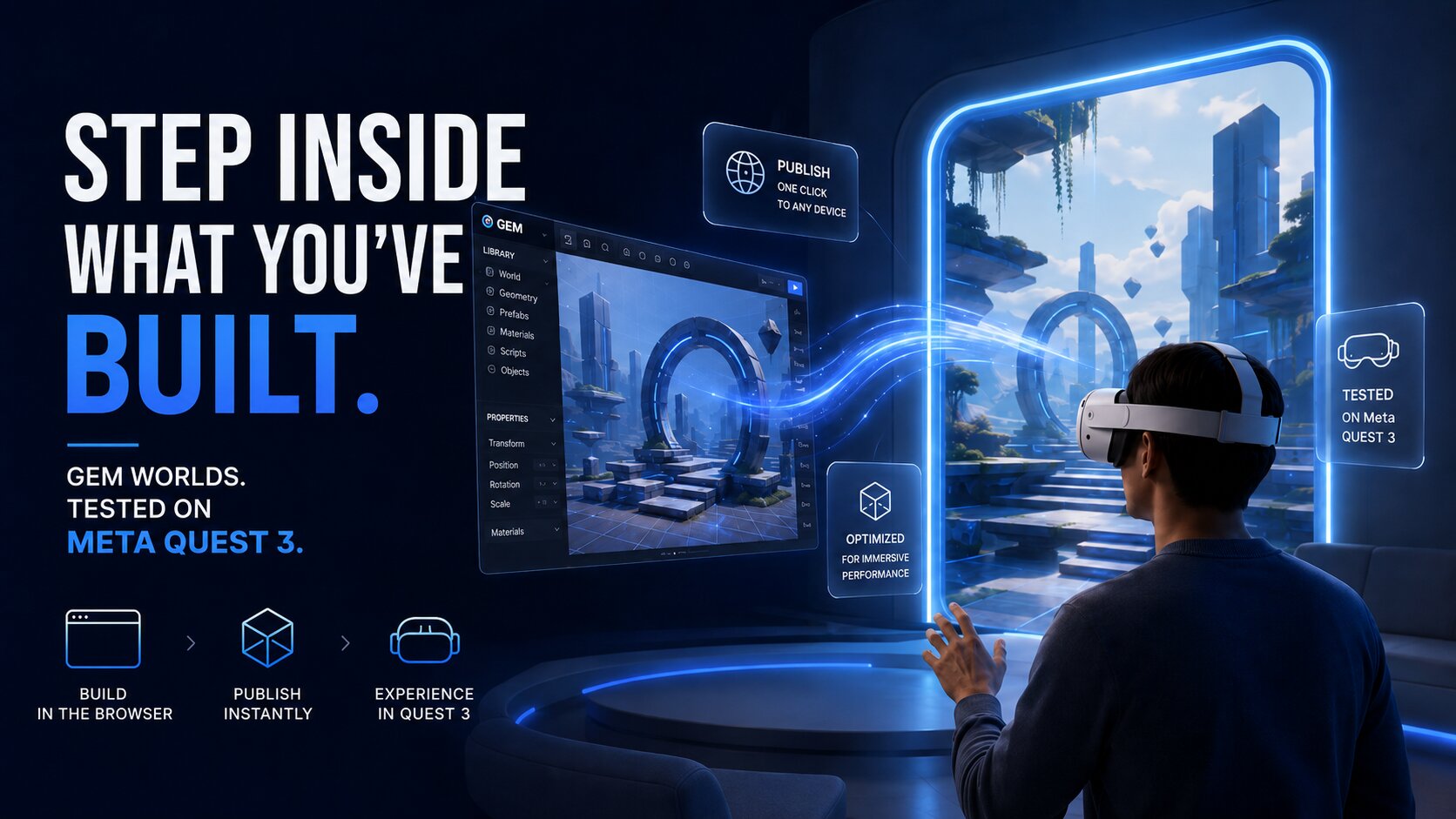
Step Inside What You’ve Built.
We tested GEM in VR on Meta Quest 3, and the takeaway is exciting: the worlds you create in GEM are not trapped on a flat screen. With WebXR-capable headsets, a published GEM scene can become a place people step into, explore, share, and discover through GEMGO.io.
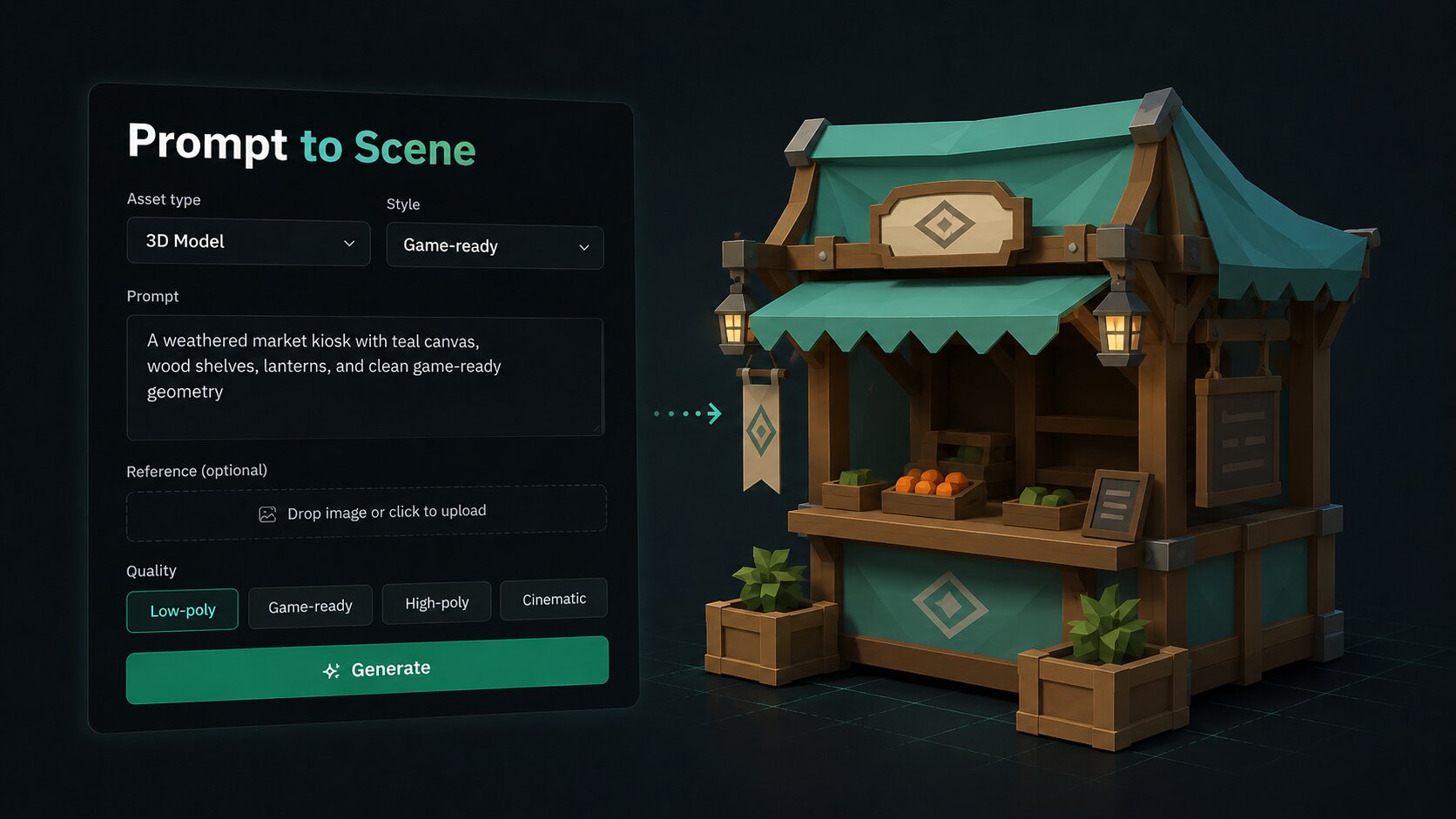
Just Say What You Want: Meet GEM Forge
GEM Forge brings AI asset generation directly into the builder. Start with a prompt, generate, and place a ready-to-use 3D model into your scene without breaking your flow.
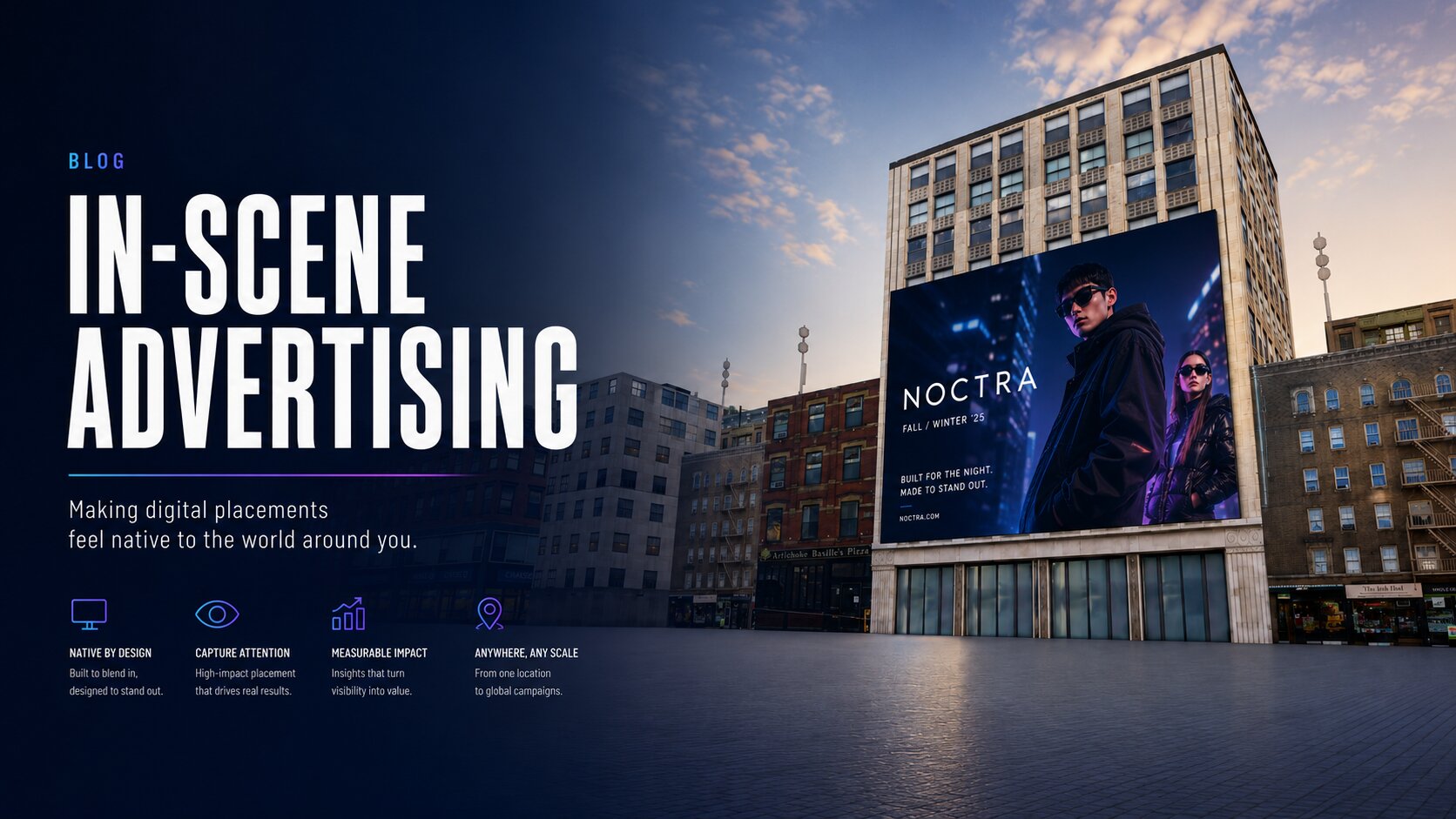
Introducing In-Scene Advertising for GEM
GEM’s in-scene advertising tools let creators place dynamic image and video ads directly inside interactive 3D environments. Campaigns, rigs, events, broadcast logs, and token estimates work together to make immersive advertising feel native, manageable, and measurable.
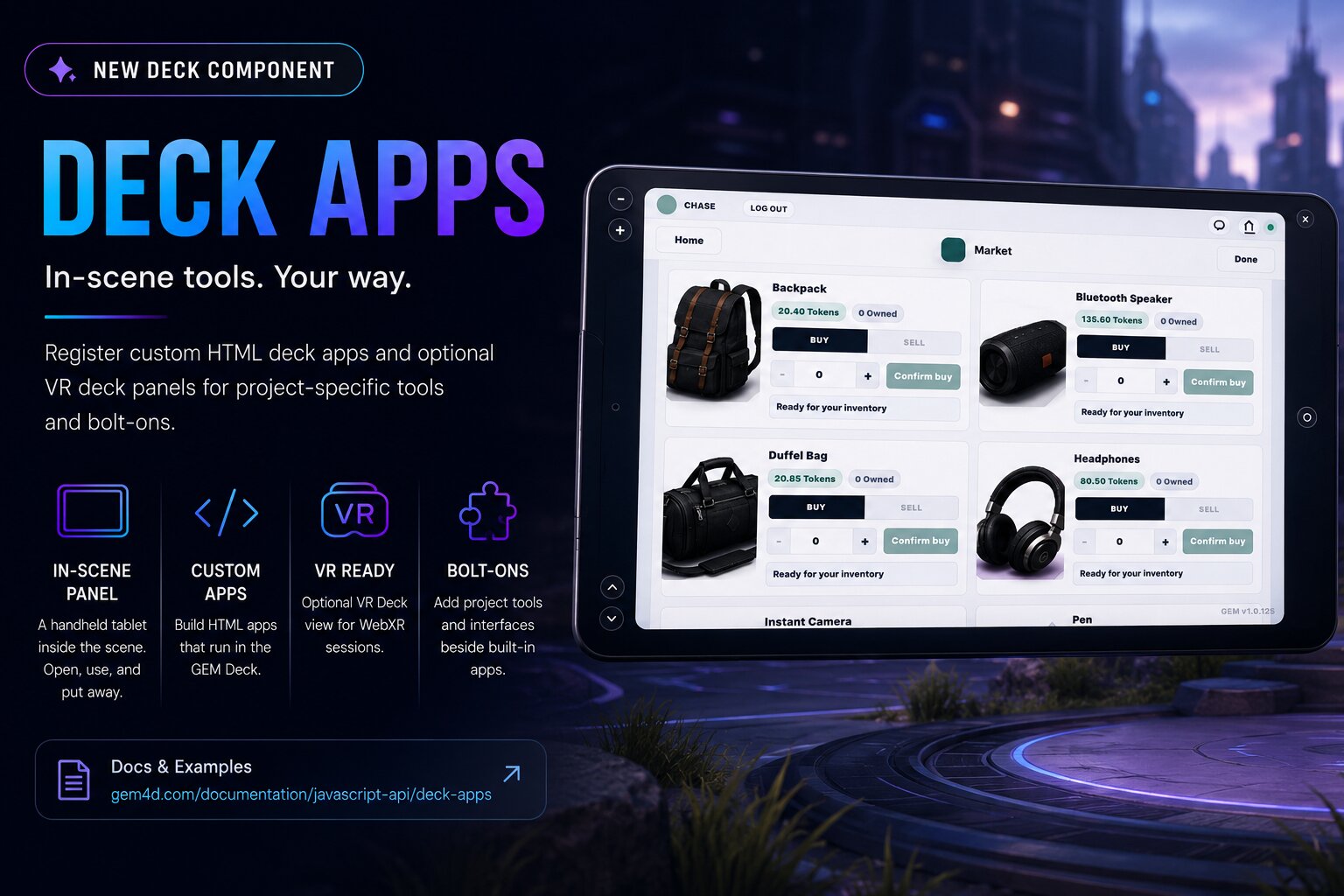
Introducing Deck Apps
Deck Apps bring custom tools directly into the GEM experience. From inventories and marketplaces to wallets, help panels, and VR-ready interfaces, they give projects a clean way to add in-scene apps without pulling users out of the world.
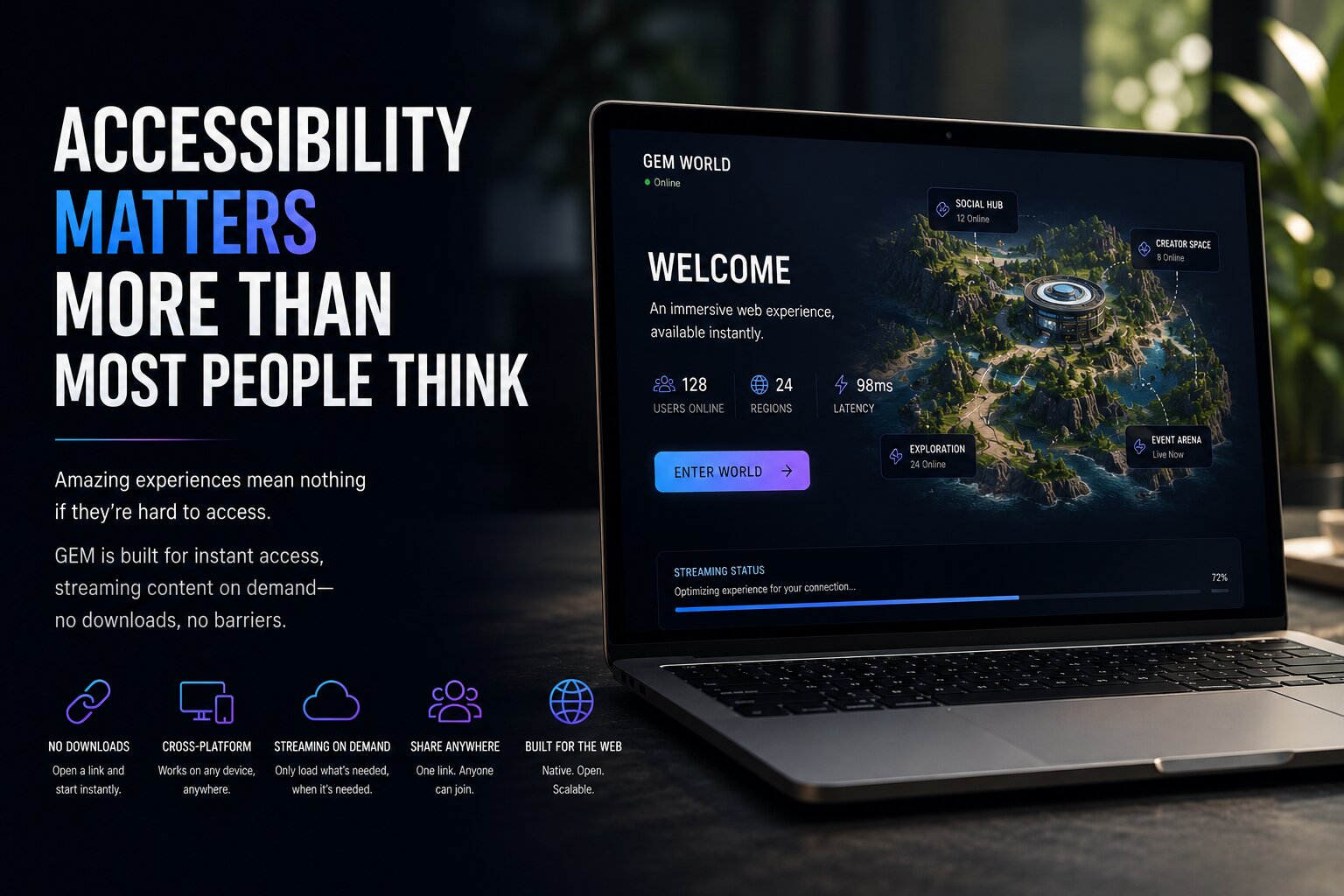
Accessibility Matters More Than Most People Think
Immersive experiences shouldn’t require massive downloads or platform-specific installs before users can even begin. In this post, we explore why accessibility, instant access, and streaming content on demand may matter more than graphics alone — and how GEM is being built around a browser-first future.
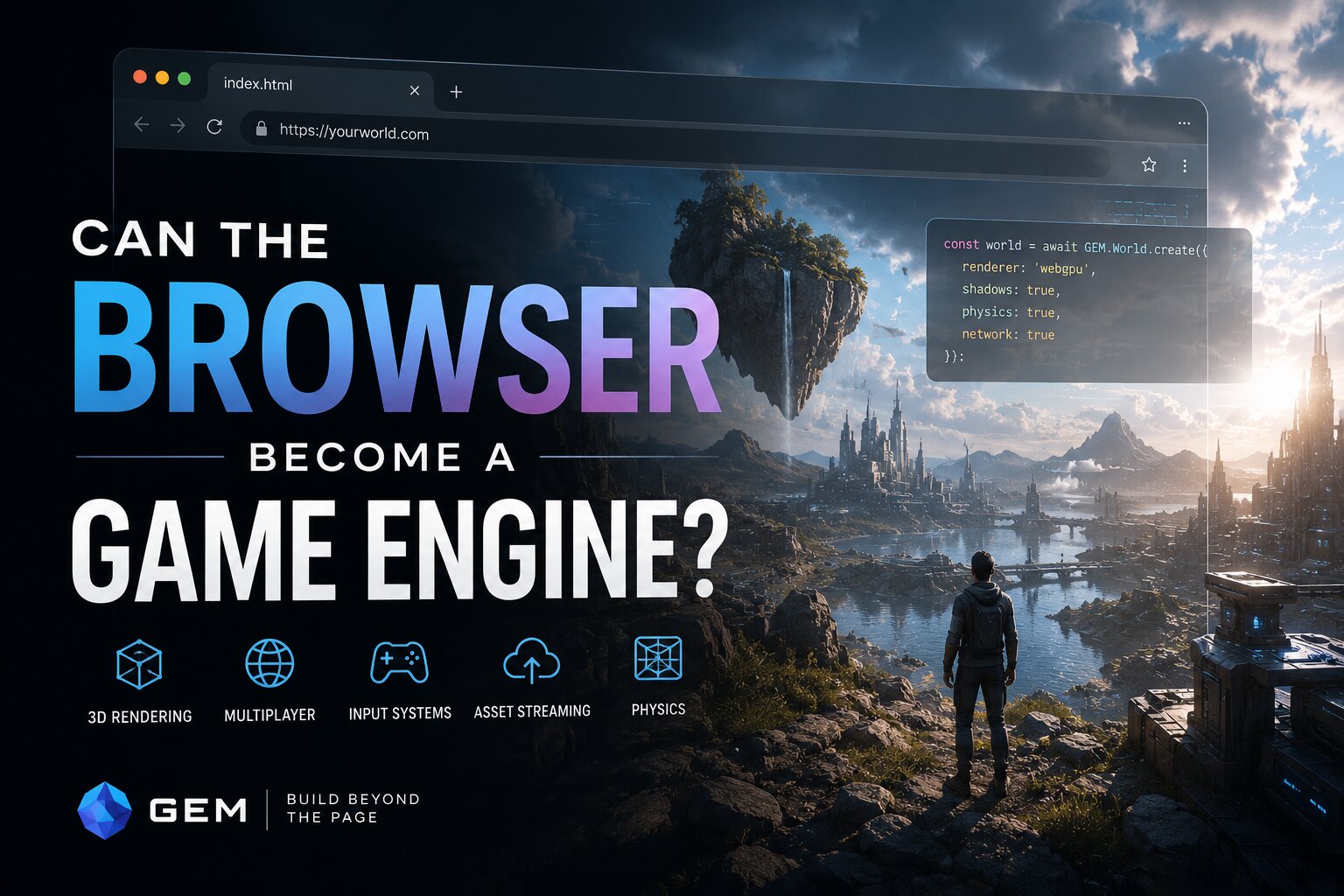
Can the Browser Become a Game Engine?
Modern browsers are evolving into something far beyond document viewers. From real-time rendering and multiplayer systems to streaming worlds and immersive environments, the web is becoming a powerful runtime for interactive experiences. In this post, we explore whether the browser can truly become a game engine — and what that means for the future of the web.
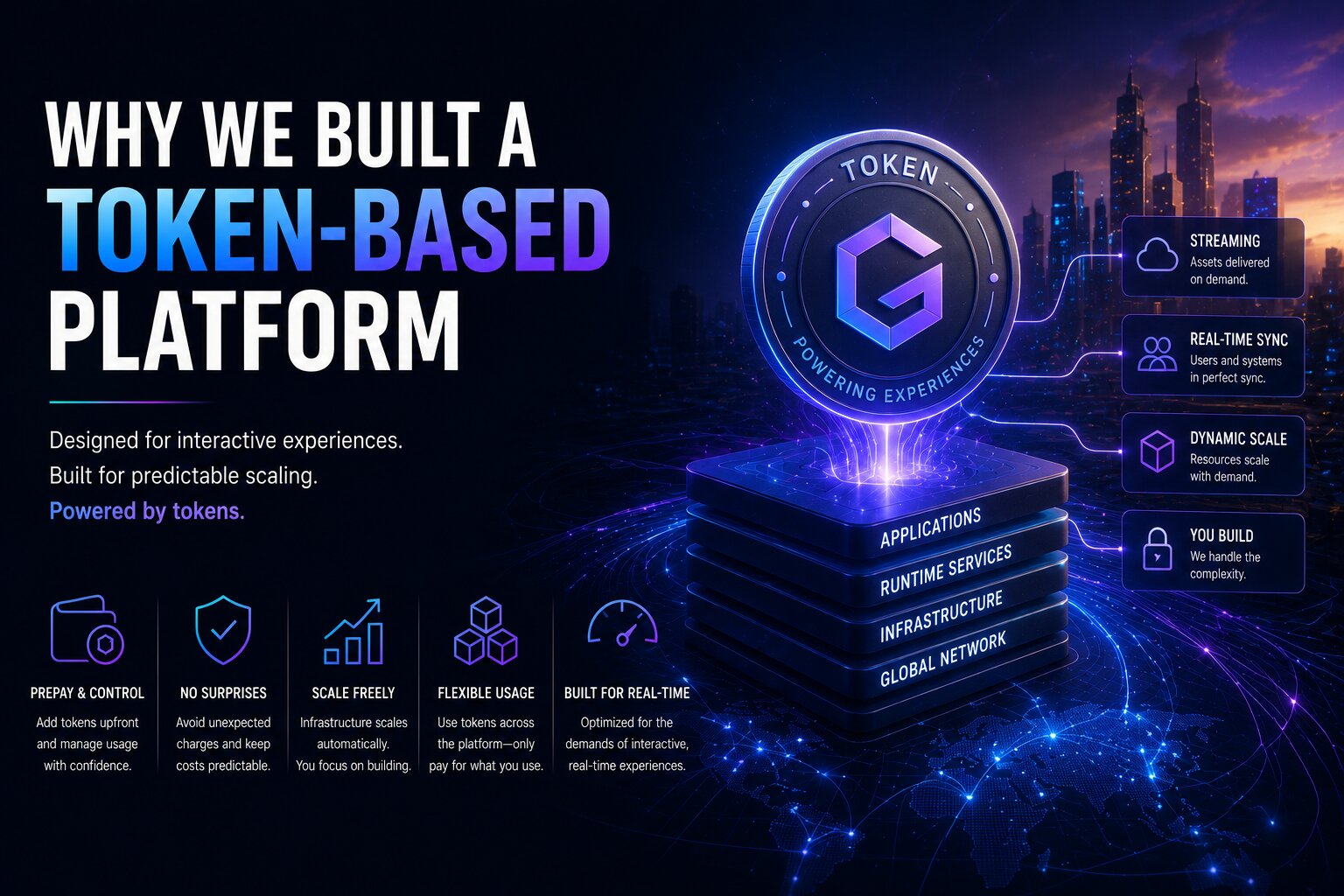
Why We Built a Token-Based Platform
Traditional billing models weren’t designed for real-time interactive platforms. In this post, we explore why GEM uses a token-based system to support scalable infrastructure, predictable usage, flexible growth, and immersive experiences without unexpected billing surprises.
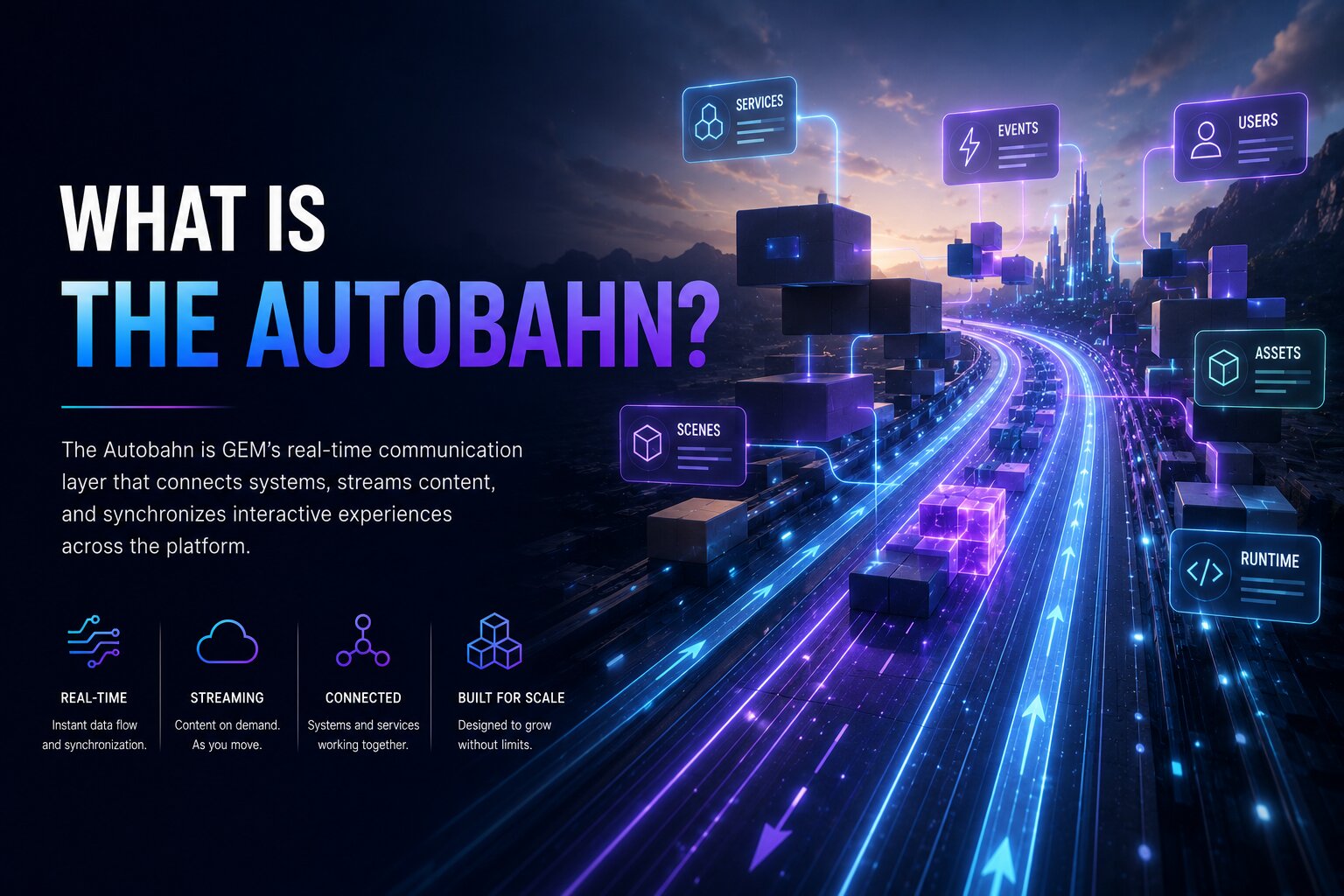
What Is the Autobahn?
Interactive worlds depend on more than rendering — they depend on systems communicating in real time. In this post, we explore the Autobahn, GEM’s high-speed runtime communication layer designed to synchronize services, stream content on demand, and power connected interactive experiences across the platform.
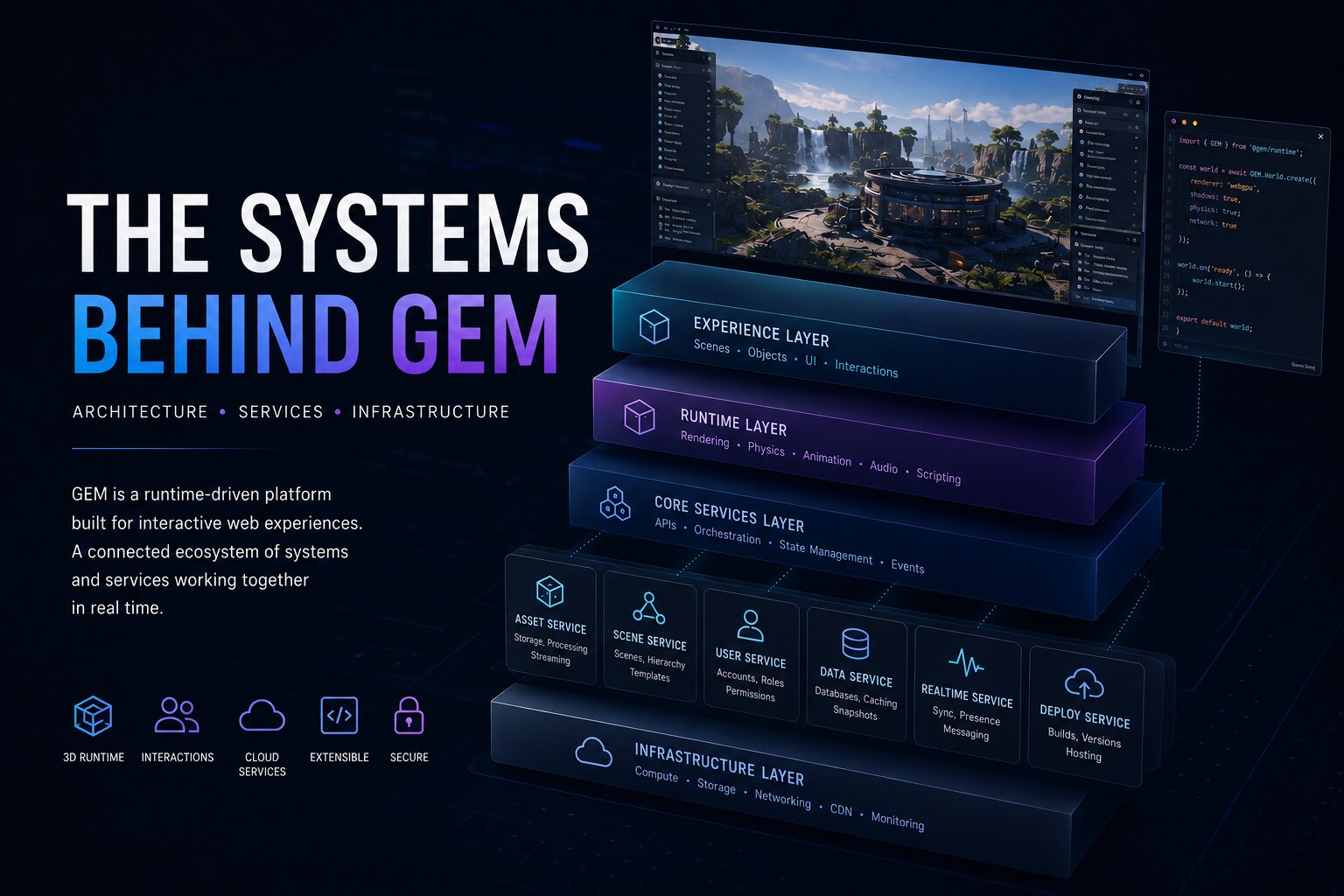
The Architecture and Services Behind GEM
Behind every immersive web experience is a network of systems working together in real time. In this post, we explore the architecture and services behind GEM — from scene systems and runtime orchestration to asset pipelines, APIs, and scalable infrastructure designed for interactive web worlds.